What Is a Pub? Your Complete Guide to British Drinking Culture
A pub is more than a place to grab a drink. It is a community space, a local landmark, and a living piece of British culture that has been at the heart of everyday life for centuries.
The Meaning Behind the Name
Pub is short for public house. These establishments were originally licensed to serve alcohol to the general public, giving anyone a place to gather, relax, and share conversation. Unlike private clubs or taverns of the past, pubs were always open to ordinary people.
How a Pub Feels Different From Anywhere Else
Walk into a pub and you feel it immediately. There is a warmth and ease that is hard to replicate. The bar is the social anchor, regulars greet each other by name, and there is usually a fireplace, a dart board, or a dog under a table somewhere nearby.
What Makes It a Community Hub
Pubs have always served a social function that goes beyond alcohol. They host quiz nights, support local sports teams, mark celebrations, and offer a neutral space where people from all walks of life can sit side by side. Your local pub often knows more about a neighbourhood than any directory ever could.
Pub Food: What to Expect on the Menu
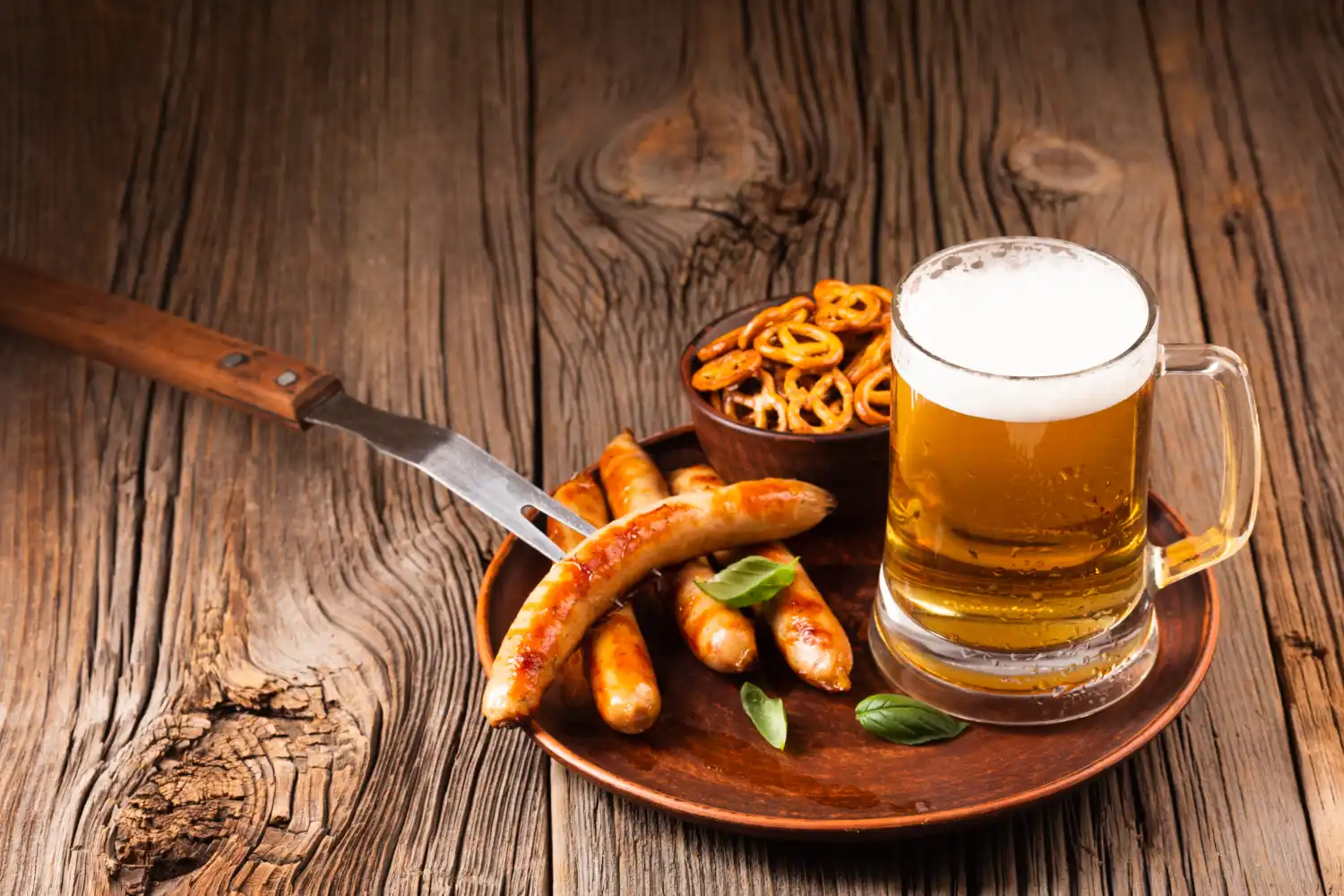
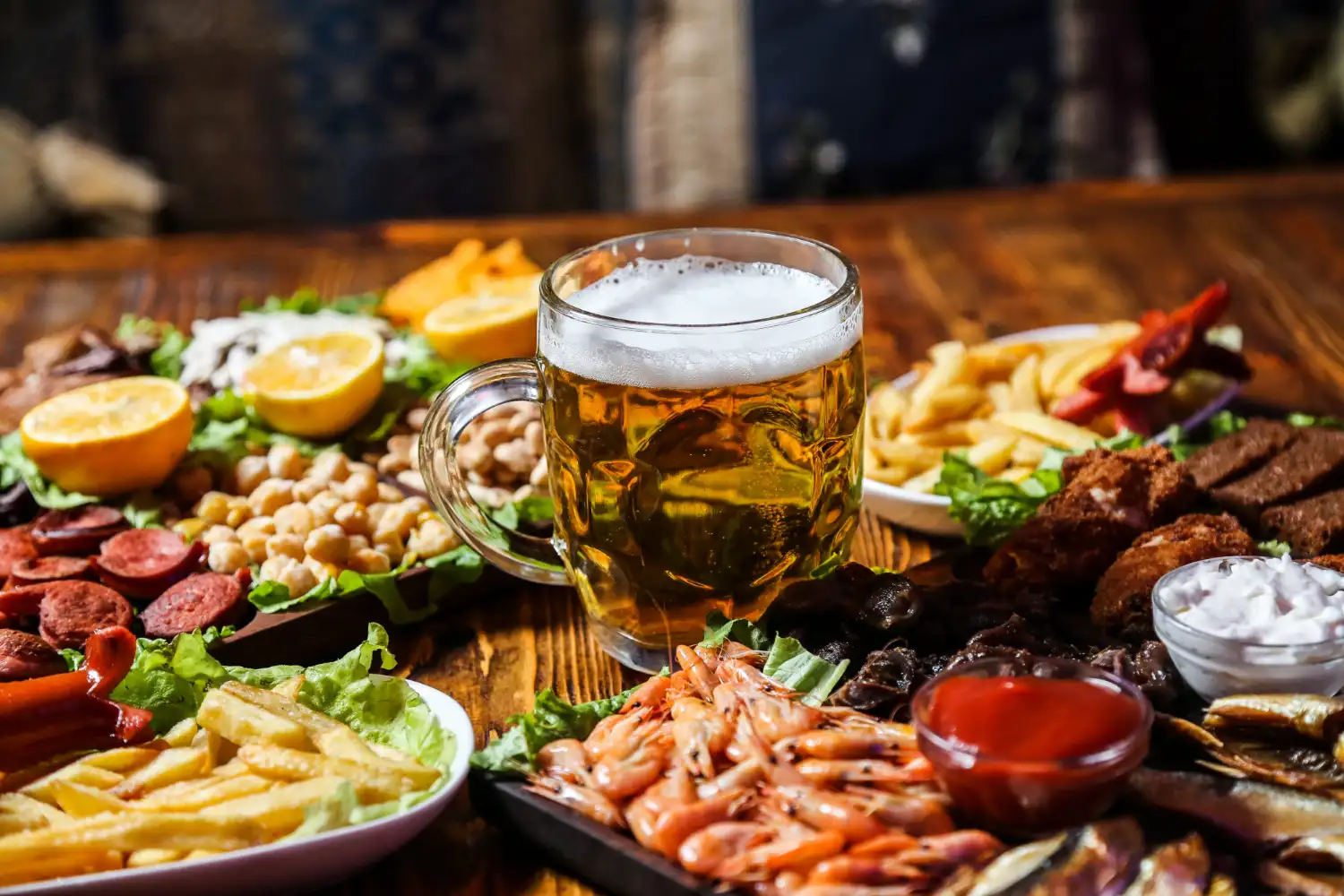
Pub food has come a long way from a bag of crisps and a pickled egg. Today, most pubs serve hearty, satisfying meals designed to complement a good pint. Expect dishes like fish and chips, steak and ale pie, bangers and mash, and Sunday roasts. The food is filling, honest, and made for sharing good company over.
What Is a Gastropub?
A gastropub raises the kitchen to the same level as the bar. The term emerged in the 1990s in London and spread quickly as pub landlords realised that great food and great drink were not mutually exclusive.
You still get the relaxed pub atmosphere you love. But the menu reads more like a restaurant: seasonal ingredients, chef-driven dishes, and wine lists alongside the ales. A gastropub keeps the soul of a pub while adding serious culinary ambition.
Gastropub vs Traditional Pub: Key Differences
A traditional pub puts the drink first. A gastropub puts the kitchen on equal footing. Prices tend to be higher at gastropubs, and bookings are often recommended, especially at weekends. But the experience is still rooted in that familiar, unhurried pub warmth you know.
Pub vs Bar: What Is the Difference?
The difference between a pub and a bar comes down to culture, atmosphere, and purpose.
A bar is typically designed for drinking, often with a louder, faster-paced environment and a focus on cocktails or spirits. A pub leans into community. It welcomes families, offers food, encourages long conversations, and rarely hurries you out the door.
Pubs also tend to have a fixed identity tied to their location. Many have been in the same spot for over a century. Bars come and go with trends. Pubs endure.
British Pub Food and Pub Games: Two Traditions Worth Knowing
British pub food is a category of its own. Think slow-cooked, comforting, and deeply tied to the seasons. A proper ploughman’s lunch, a scotch egg, or a bowl of chip shop curry sauce alongside your chips, these are foods born in pubs and best enjoyed in them.
Pub games are just as much a part of the experience. Darts, dominoes, pool, skittles, and cribbage have all found their natural home in British pubs. Many communities still run local leagues built entirely around pub games, keeping traditions alive that stretch back generations.
Whether you are visiting your first pub or rediscovering a favourite local, understanding what makes a pub a pub helps you appreciate exactly why these places matter so much to so many people.